
As a taxi or private hire driver (PHV/minicab) in the UK, you're almost certainly self-employed for tax purposes. This means you must register for Self Assessment with HM Revenue & Customs (HMRC) and file an annual tax return to report your income, claim allowable business expenses, and pay the correct amount of Income Tax and Class 2 & Class 4 National Insurance.
At Mayfair Tax Advisors, we work with hundreds of taxi and private hire drivers across London, Hounslow, and the rest of the UK, helping them maximise deductions, stay compliant, and avoid costly HMRC penalties. Below is a comprehensive, up-to-date guide for the 2024/25 and 2025/26 tax years (covering earnings from 6 April 2024 to 5 April 2026).
Do Taxi Drivers Need to File a Self Assessment Tax Return?
Yes – if any of the following apply:
- You earned more than £1,000 from taxi/private hire driving in the tax year (the Trading Allowance threshold).
- You are registered as self-employed with HMRC.
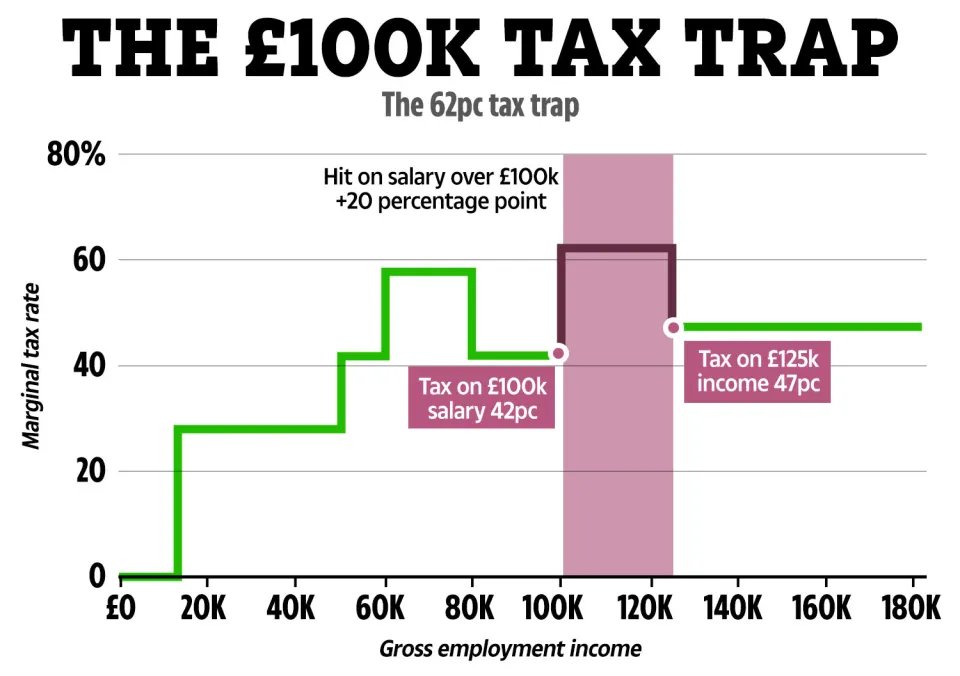
- You have other untaxed income (e.g., rental income, dividends over £500, or high earnings triggering the £100,000+ personal allowance taper).
- HMRC has sent you a notice to file.
Even if you earned under £1,000, registering is advisable if you plan to continue driving, as it allows you to claim losses or expenses against future profits.
Key Deadlines for 2024/25 Tax Year (Earnings 6 April 2024 – 5 April 2025)
| Action | Deadline | Penalty for Late Filing/Payment |
|---|---|---|
| Register for Self Assessment (if new) | 5 October 2025 | £100 automatic penalty + interest |
| File paper tax return | 31 October 2025 | £100 fine |
| File online tax return | 31 January 2026 | £100 fine (then £10/day up to £900) |
| Pay any tax owed (balancing payment) | 31 January 2026 | 5% surcharge + interest |
| Pay first Payment on Account (if required) | 31 January 2026 | Interest if late |
| Second Payment on Account | 31 July 2026 | Interest if late |
Note: If your tax bill is under £1,000 or you already pay tax via PAYE that covers your liability, you may not need to make Payments on Account.
Registering for Self Assessment as a Taxi Driver
- Online – Fastest method: Go to GOV.UK: Register for Self Assessment → select “Self-employed”.
- HMRC will send your Unique Taxpayer Reference (UTR) by post (takes 10 working days).
- Set up a Government Gateway account to file online.
- Northern Ireland – Same process via GOV.UK.
What Income Must You Declare?
You must report all income from taxi/private hire driving, including:
- Cash fares
- Card payments (e.g., via app or machine)
- Tips and gratuities (taxable)
- Any Uber/Bolt/FreeNow/Ola payments (they report directly to HMRC via platform reporting rules)
- Private hire operator payments
- Airport rank fees, radio fees, or other deductions from earnings
HMRC receives data from major platforms and banks, so undeclared income is easily detected.
Most Common Allowable Expenses for Taxi & PHV Drivers
Claiming legitimate business expenses reduces your taxable profit. Typical deductions include:
| Expense Category | Examples | Notes & Evidence Required |
|---|---|---|
| Vehicle Costs | Fuel, insurance, MOT, servicing, repairs, tyres, road tax, car washing | Keep receipts; claim actual costs or simplified mileage rates (45p/mile first 10,000 miles, 25p thereafter) |
| Vehicle Purchase/Finance | Capital allowances on new/used vehicles (AIA up to £1m) or writing-down allowance | VAT on purchase if VAT-registered |
| Licence & Operator Fees | Hackney carriage/private hire licence, DBS check, TfL/Uber fees, PHV operator fees | Full receipts |
| Phone & App Costs | Mobile phone contract, data allowance, sat-nav apps (e.g., Waze, Google Maps) | Reasonable business proportion |
| Protective & Uniform Clothing | High-visibility jackets, driver ID badge, branded clothing | Must be exclusively for work |
| Accountancy & Professional Fees | Accountant fees, bookkeeping software (e.g., QuickBooks, Xero) | Fully deductible |
| Home Office (if applicable) | Portion of home costs (electricity, broadband, heating) if you do admin from home | Simplified rate (£6/week) or actual costs |
| Training & Subscriptions | Driving refresher courses, trade body membership (e.g., LTDA) | Must be for maintaining/improving skills |
| Other | Advertising, business bank charges, parking fines (business-related only) | Fines are generally not allowable |
Tip: Keep a mileage log (date, start/end odometer, purpose) and retain all receipts for at least 6 years.
Mileage vs. Actual Costs – Which is Better?
| Method | Rate | Pros | Cons |
|---|---|---|---|
| Simplified Mileage | 45p per mile (first 10,000 miles) 25p per mile (thereafter) |
Very easy; no need to keep receipts for fuel/servicing | Cannot claim capital allowances on the vehicle |
| Actual Costs | All running costs + capital allowances | Often higher deduction if vehicle is expensive | More paperwork; must apportion private use |
Many drivers switch methods each year to maximise relief – we can help calculate the best option.
VAT Considerations for Taxi Drivers
Most taxi/PHV drivers are below the VAT threshold (£90,000 from April 2024). If you exceed it, you must register for VAT and charge 20% on fares (but can reclaim VAT on business purchases).
- Hackney carriage drivers – fares are VAT-exempt (no need to register even if over threshold).
- Private hire drivers – fares are standard-rated (20% VAT).
Payments on Account – What Are They?
If your tax bill exceeds £1,000 in the previous year, HMRC requires you to pay tax in advance (Payments on Account) – 50% on 31 January and 50% on 31 July. These are based on last year's liability.
How to File Your Self Assessment Tax Return
- Gather records (mileage log, receipts, bank statements, platform payment summaries).
- Log in to GOV.UK with your UTR and Government Gateway ID.
- Complete the Self-employment section (SA103S or SA103F).
- Enter turnover, allowable expenses, and calculate profit.
- Submit by 31 January 2026 (online).
- Pay any tax owed by the same deadline.
Common Mistakes Taxi Drivers Make
- Forgetting to declare tips or platform income.
- Claiming personal mileage or non-business costs.
- Not keeping a proper mileage log.
- Missing the 31 October 2025 registration deadline.
- Ignoring Payments on Account notices.
- Not claiming capital allowances on vehicle purchases.
How Mayfair Tax Advisors Can Help Taxi & PHV Drivers
We specialise in the taxi and private hire sector and offer:
- Full Self Assessment preparation and filing
- Expense reviews and mileage calculations
- VAT registration and compliance advice
- Corporation tax planning (if you operate through a limited company)
- HMRC enquiry support
If you'd like a no-obligation review of your tax position or help with your 2024/25 return, email us at [email protected] or fill out the contact form on our website.
Useful Official Links
Need Expert Advice?
Our team can help you navigate these changes and ensure your business remains compliant and tax-efficient.
Recent Articles

Moving to India Permanently While Keeping UK Property: A Complete UK–India Tax Planning Guide
January 28, 2026
HMRC Enquiries Into CIS Subcontractors: Why Inflated Expenses Trigger Investigations (And How to Protect Yourself)
January 25, 2026