
Self-employed subcontractors working under the Construction Industry Scheme (CIS) are currently facing a sharp increase in compliance checks and enquiries from HM Revenue & Customs. When HMRC challenges these claims, the outcome can be financially devastating — with assessments going back up to five years, large tax bills, penalties, and interest.
Why HMRC Is Targeting CIS Subcontractors
HMRC data-matches CIS deductions reported by contractors against Self Assessment returns filed by subcontractors. Where they see high expenses with no evidence, enquiries are triggered. The most common red flags include:
- Expenses exceeding 30–40% of turnover
- Round-number expense claims
- No receipts or records
- Identical expense figures year after year
The Core Issue: Inflated or Unsupported Expenses
HMRC does not accept estimates unless they are reasonable, consistent, and supported by records. If you cannot prove expenses, HMRC may restrict them to a flat percentage (often 10% of turnover) or cap them at the £1,000 trading allowance.
What Expenses Can CIS Subcontractors Legitimately Claim?
Allowable expenses must be wholly and exclusively for business purposes. Common allowable expenses include:
- Tools and equipment
- Protective clothing (PPE)
- Mileage for business travel (not commuting)
- Mobile phone (business proportion only)
- Public liability insurance
- Trade-specific training
- Accountancy fees
❌ Not allowable: Home-to-site commuting, everyday clothing, family phone bills, and personal living costs.
HMRC’s Approach During CIS Enquiries
When HMRC opens an enquiry, they will usually request expense breakdowns and bank statements. If records are missing, they may apply the £1,000 Trading Allowance Trap. This means they disallow all your claimed expenses and replace them with the standard £1,000 allowance, dramatically increasing your taxable profit and tax bill.
Why HMRC Goes Back Up to 5 Years
In CIS cases, HMRC often classifies inflated expenses as "careless behaviour," allowing them to go back up to 6 years. This means one enquiry letter can quickly turn into a multi-year tax disaster with backdated assessments and penalties of up to 30%.
The Biggest Mistake: Responding to HMRC Alone
Many CIS workers reply without professional advice, admit figures were "estimates," or provide inconsistent explanations. This makes things worse. Every HMRC response becomes part of the enquiry record.
How Mayfair Tax Advisors Help CIS Subcontractors
At Mayfair Tax Advisors, we specialise in HMRC enquiries for CIS subcontractors. We help by:
- Reviewing historic returns safely
- Reconstructing expenses using bank data
- Negotiating reasonable expense levels
- Challenging HMRC assumptions
- Managing HMRC correspondence end-to-end
Frequently Asked Questions (FAQs)
Can I claim travel expenses as a CIS subcontractor? ▼
Yes, you can claim for travel to temporary workplaces. However, ordinary commuting to a permanent workplace is not allowable.
What happens if I don't have receipts for my expenses? ▼
HMRC may disallow the expense and charge penalties. It is crucial to keep digital records of all business costs.
How do I appeal a CIS penalty? ▼
You must appeal in writing within 30 days. We recommend seeking professional advice before submitting an appeal to ensure it is valid.
Received an HMRC CIS Enquiry Letter? Act Immediately
If you have claimed high expenses, don’t have full receipts, or used estimates in past returns, do not ignore an HMRC letter. Early intervention can limit how far HMRC goes back and reduce penalties.
Speak to a CIS Enquiry Specialist. Email us at [email protected] before you reply to HMRC.
Urgent: Received a Letter?
Do not reply to HMRC without advice. One wrong answer can trigger a 6-year audit.
Recent Articles

Moving to India Permanently While Keeping UK Property: A Complete UK–India Tax Planning Guide
January 28, 2026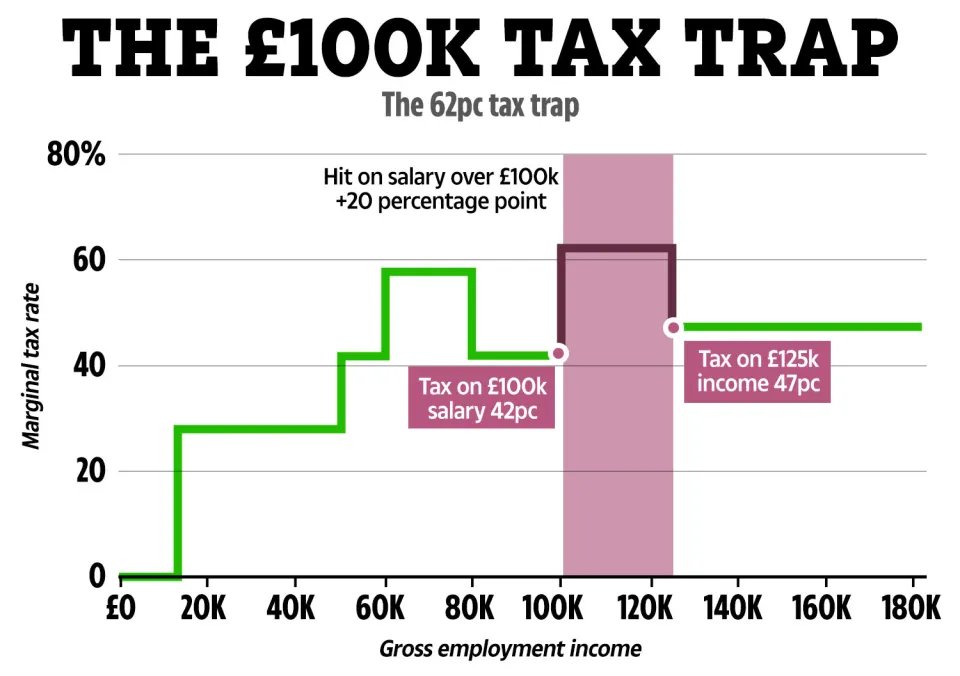
The Personal Allowance Taper & £100k Tax Trap: Why Your Tax Bill Jumps After £100,000
January 24, 2026