
As the January 31, 2026, deadline looms, millions of UK taxpayers are gearing up – or scrambling – to file their Self-Assessment tax returns for the 2024/25 tax year (April 6, 2024, to April 5, 2025). At Mayfair Tax Advisors, we've seen firsthand how this annual ritual can turn from a straightforward task into a source of major stress, especially for self-employed professionals, landlords, freelancers, and high earners. With over 11 million returns filed last year and penalties starting at £100 for late submissions, getting it right is crucial.
But why do so many people struggle? And how can you file seamlessly using the HMRC Government Gateway? In this detailed guide, we'll break it all down – from the basics to advanced tips – drawing on official HMRC processes and common pitfalls we've helped clients avoid. Whether you're a first-timer or a seasoned filer, read on to make tax season less taxing. If you're feeling overwhelmed, our experts at Mayfair Tax Advisors are just a click away at www.mayfairtaxadvisors.co.uk for personalized support.
What is Self-Assessment and Who Needs to File It?
Self-Assessment is HMRC's system for collecting Income Tax from individuals whose earnings aren't automatically taxed through PAYE (Pay As You Earn), such as wages or pensions. It's essentially a self-reported declaration of your untaxed income, allowing HMRC to calculate what you owe – or what they owe you in refunds.
You must file a Self-Assessment tax return if:
- You're self-employed and earned more than £1,000 in the tax year.
- You have rental income from properties.
- You've received untaxed income like dividends, interest, or foreign earnings.
- You're a company director, partner in a business, or have capital gains (e.g., from selling assets).
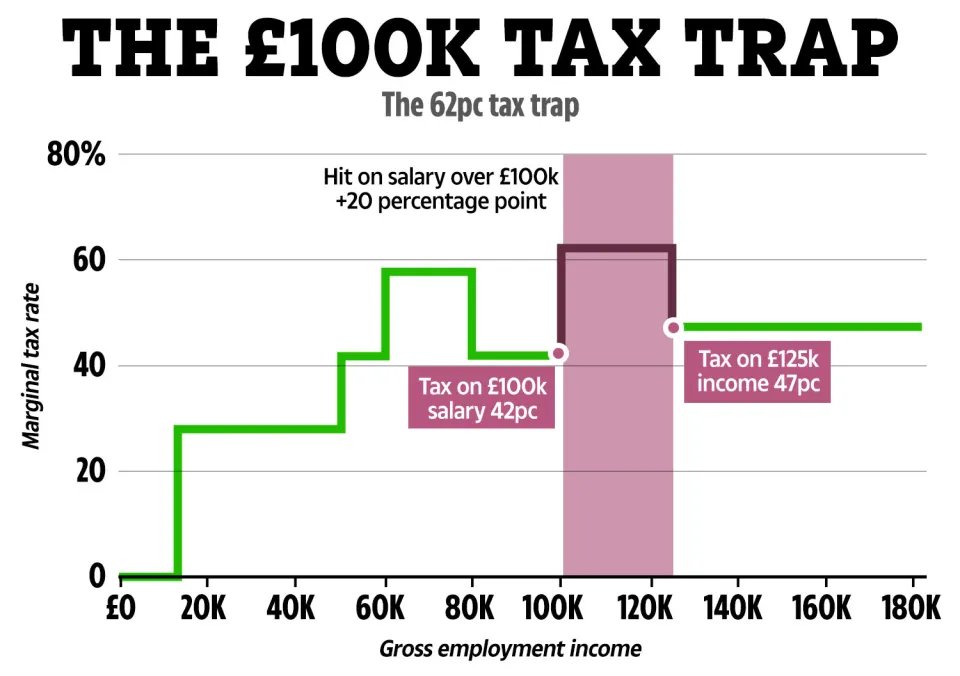
- Your total income exceeds £100,000, triggering additional tax checks.
- You've claimed Child Benefit and your (or your partner's) income is over £50,000.
- HMRC has specifically requested you to file one.
Even if you think you don't owe tax, failing to file when required can lead to fines. For the 2024/25 tax year, the online filing and payment deadline is midnight on January 31, 2026. Paper returns were due by October 31, 2025 – so if you're reading this in January 2026, online is your only option. Late filers face an immediate £100 penalty, daily fines up to £900 after three months, and 5% surcharges on unpaid tax, plus interest.
Pro tip: If you're new to Self-Assessment, notify HMRC by October 5, 2025, to avoid penalties for not registering on time.
Why Do So Many People Struggle with Self-Assessment?
Filing a Self-Assessment isn't inherently complex, but real-life challenges make it a nightmare for many. Based on HMRC data and insights from tax professionals, here are the top struggles we're seeing in 2026:
- Incomplete or Disorganized Records: Many forget to track expenses throughout the year, leading to rushed reconstructions at deadline time. Without proper receipts, claims get rejected during audits, resulting in higher tax bills.
- Forgetting Income Sources: Side gigs, freelance work, rental income, or even crypto gains often slip through the cracks. HMRC's increased data-sharing and scrutiny mean undeclared income triggers enquiries and fines.
- Claiming Incorrect Expenses: Over-claiming (e.g., personal costs as business expenses) or under-claiming allowable deductions like home office setups or pension contributions is common. This can lead to overpayments or penalties.
- Technical and System Issues: Last-minute filers often face HMRC portal crashes due to high traffic. Punctuation errors in business names or wrong tax codes can cause rejections, delaying submissions.
- Misunderstanding Payments and Deadlines: Confusion over "payments on account" (advance payments for next year's tax) or late payment penalties – even if no tax is owed – catches many off guard. Manual calculations lead to errors, and not setting aside money for tax bills adds financial strain.
- Scams and Security Fears: Fake HMRC emails or calls demanding immediate action lead to phishing victims. Plus, for expats or those with complex finances, navigating residence rules or foreign income adds layers of difficulty.
At Mayfair Tax Advisors, we've helped clients overcome these hurdles, saving them thousands in avoidable penalties and overpaid tax. If any of this sounds familiar, professional guidance can turn struggle into success.
Step-by-Step Guide to Filing Your Self-Assessment via HMRC Government Gateway
The Government Gateway is HMRC's secure online portal for filing. It's user-friendly for simple returns but requires preparation. Here's a detailed, step-by-step walkthrough based on official HMRC processes.
Step 1: Register for Self-Assessment (If You're New)
- Visit www.gov.uk/register-for-self-assessment.
- Provide your details: Name, address, National Insurance number, and email.
- HMRC will send your 10-digit Unique Taxpayer Reference (UTR) by post – this can take up to 10 working days, so start early!
- Once you have your UTR, set up a Government Gateway account at www.gov.uk/log-in-file-self-assessment-tax-return.
- Choose "Individual" account type, enter your UTR, postcode, and create a User ID and password.
- Activate with the code sent by post or email. Enable two-step verification for security.
Step 2: Gather Your Documents
- Income records: P60/P45 from employers, bank statements for interest, dividend vouchers, rental logs.
- Expenses: Receipts for business costs (e.g., travel, marketing, home office).
- Other: Pension contributions, charitable donations, capital gains details.
- Use tools like spreadsheets or apps (e.g., QuickBooks) for organization. Keep records for at least 6 years.
Step 3: Log In to the Government Gateway
- Go to www.gov.uk/log-in-file-self-assessment-tax-return.
- Enter your User ID and password.
- Verify with your phone or authenticator app if set up.
- Select "Self Assessment" from your services dashboard.
Step 4: Start and Fill Out Your Tax Return (SA100 Form)
- Choose the tax year (2024/25).
- Answer tailoring questions to add relevant sections (e.g., self-employment, property, capital gains).
- Enter details accurately:
- Employment/PAYE income.
- Self-employment: Turnover, expenses, profits.
- Untaxed income: Dividends, interest.
- Reliefs: Pension contributions, Gift Aid.
- Use HMRC's built-in help or calculators for complex parts.
Step 5: Review, Calculate, and Submit
- Double-check all entries – errors like typos in figures or names can cause rejections.
- HMRC calculates your tax liability, including any payments on account.
- Sign electronically and submit. You'll get a confirmation (SA302) – save it!
- If you owe tax, pay by January 31, 2026, via bank transfer, debit card, or set up a payment plan.
Step 6: Pay Your Tax Bill
- Log back in to view your balance.
- Payment methods: Online banking, card, Direct Debit, or at a bank/Post Office.
- If due a refund, it arrives within 4 weeks via bank transfer or cheque.
File early to avoid rushes – HMRC helplines get swamped in late January.
Tips to Avoid Common Pitfalls and Maximize Savings
Do:
- File digitally for accuracy; claim all eligible reliefs; keep digital backups.
- Use commercial software like GoSimpleTax for guided filing if the portal feels clunky.
Don't:
- Procrastinate; ignore HMRC notices; click suspicious links (always access via gov.uk).
For expats or complex cases, consider professional help to handle double taxation or residence rules.
How Mayfair Tax Advisors Can Ease Your Self-Assessment Struggles
At Mayfair Tax Advisors, we specialize in making Self-Assessment painless. Our team handles everything from registration to submission, spotting deductions you might miss and ensuring compliance to avoid audits. We've helped clients reclaim overpaid tax and navigate HMRC enquiries with ease.
Ready to ditch the stress? Visit www.mayfairtaxadvisors.co.uk for a free consultation. Let's turn your tax return into a triumph – contact us today!
Need Expert Advice?
Our team can help you navigate these changes and ensure your business remains compliant and tax-efficient.
Recent Articles

Moving to India Permanently While Keeping UK Property: A Complete UK–India Tax Planning Guide
January 28, 2026
HMRC Enquiries Into CIS Subcontractors: Why Inflated Expenses Trigger Investigations (And How to Protect Yourself)
January 25, 2026