In recent months, HM Revenue & Customs has significantly increased compliance checks into use of home as office claims made by limited company directors and self-employed individuals. Thousands of taxpayers are now receiving HMRC letters questioning claims above the standard £26 per month (£312 per year) — particularly where higher “actual cost” claims have been made without meeting the strict conditions set out by HMRC.
If you have received (or may receive) such a letter, this article explains who is genuinely eligible to claim use of home, the strict conditions HMRC applies, how claims should be calculated correctly, common mistakes triggering HMRC enquiries, and why professional guidance is critical once a letter arrives.
Why HMRC Is Investigating Use of Home Claims Now
Use of home expenses have been widely misunderstood and overclaimed, especially following remote working trends. HMRC is now actively checking:
- Directors claiming large proportions of rent, mortgage, or utilities
- Claims with no formal requirement to work from home
- Inconsistent claims across multiple tax years
- Claims that appear personal rather than wholly business-related
These checks often extend back several years, and errors can result in backdated tax bills, interest charges, and penalties for careless or deliberate behaviour.
Who Can Claim Use of Home as Office?
HMRC applies very strict eligibility rules. Simply working from home is not enough.
Limited Company Directors & Employees
A director or employee can only claim use of home if ALL of the following apply:
- Home Working Is a Core Requirement of the Role: The work carried out at home must be a substantive part of the job, not occasional admin, convenience-based working, or hybrid/optional home working.
- No Suitable Office Is Available: One of the following must apply: the company has no office, the office lacks essential facilities, or daily commuting is not reasonably practical.
- Working From Home Is Required – Not a Choice: There must be a contractual requirement or clear operational necessity. If home working is voluntary or preference-based, HMRC will disallow the claim.
Two HMRC-Approved Ways to Claim Use of Home
Option 1: Simplified Flat Rate (Low Risk)
HMRC allows a fixed allowance:
- £6 per week
- £26 per month
- £312 per year
Benefits: No calculations, no detailed records required, and minimal HMRC risk. This is the safest option for most directors.
Option 2: Actual Costs (High Risk if Done Incorrectly)
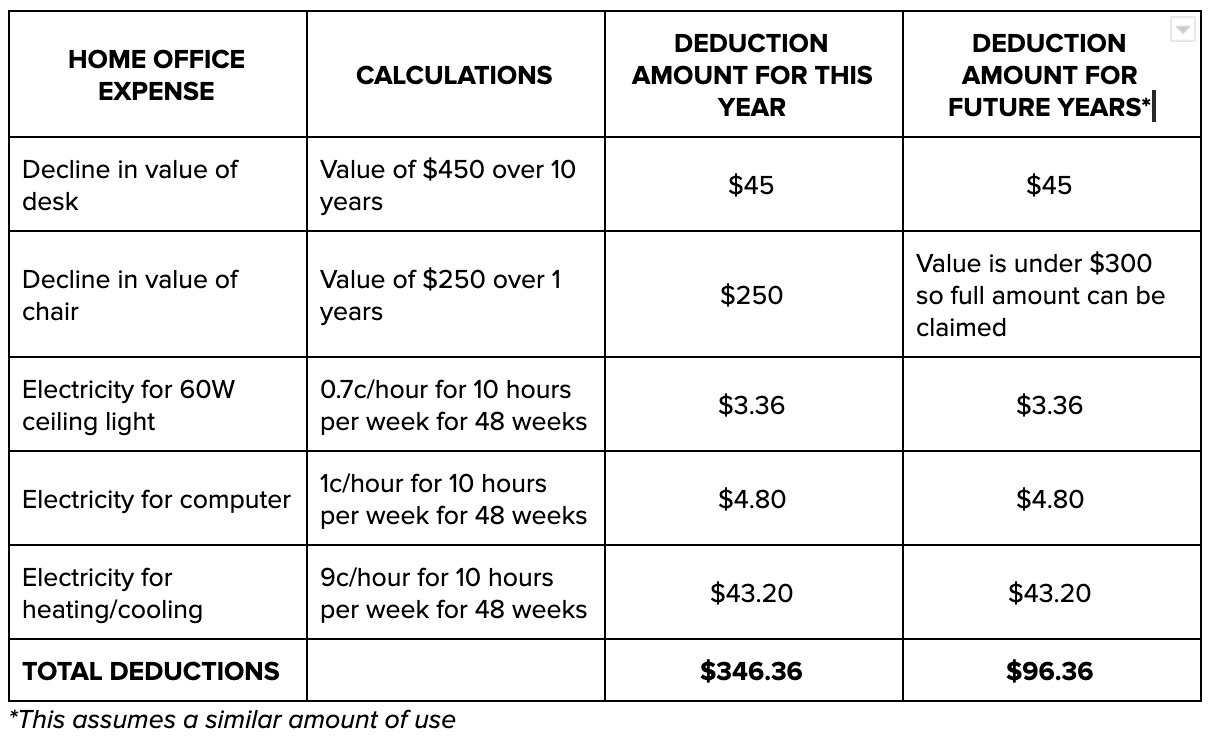
You can only claim actual costs if the strict conditions above are met. This involves calculating the business proportion of the home, time used exclusively for work, and allowable household expenses.
Allowable Expenses (Proportioned):
- Electricity
- Gas
- Broadband (business element only)
- Council tax (employees/directors only)
- Rent (NOT mortgage capital)
NOT Allowable: Mortgage repayments (capital), full utility bills, and dual-use rooms without adjustment.
How Actual Cost Calculations Should Be Done
HMRC expects a logical, evidence-based method, such as:
×
(Time used exclusively for work ÷ Total time)
×
Relevant household costs
If a room is used for work during the day and personally in the evening, HMRC will restrict or disallow the claim.
Common Errors That Trigger HMRC Letters
We regularly see HMRC enquiries caused by:
- Claiming 30–50% of rent or mortgage
- Claiming costs where a company has an office
- No employment contract stating home working
- Using the same room personally
- Claims inconsistent with company size or income
- Copying advice from social media or forums
These errors are often classified as careless — attracting penalties.
What Happens If You Receive an HMRC Letter?
An HMRC letter is not routine — it is a compliance check. You may be asked to review current and previous returns, amend incorrect claims, make a voluntary disclosure, or provide calculation evidence. Responding incorrectly or late can escalate the issue.
Why You Must Seek Professional Advice Immediately
Once HMRC contacts you, every response is on record. Incorrect explanations can increase penalties, and poorly handled disclosures can expand the enquiry.
At Mayfair Tax Advisors, we review historic claims safely, assess penalty exposure, handle HMRC correspondence on your behalf, make protective disclosures where required, and reduce penalties wherever possible.
Directors & Self-Employed: Act Before HMRC Escalates
If you have claimed more than £26/month, are unsure how your claim was calculated, have received an HMRC letter, or have concerns about past returns: Do not ignore it. Do not respond blindly.
A short review now can prevent years of backdated tax, penalties, and stressful HMRC investigations.
HMRC allows use of home claims — but only where the rules are met and evidence exists. If in doubt, assume HMRC will challenge the claim, not accept it.
Speak to a specialist before it costs you. Email us at [email protected] or fill out the contact form on our website.
Need Expert Advice?
Our team can help you navigate these changes and ensure your business remains compliant and tax-efficient.
Recent Articles

Moving to India Permanently While Keeping UK Property: A Complete UK–India Tax Planning Guide
January 28, 2026
HMRC Enquiries Into CIS Subcontractors: Why Inflated Expenses Trigger Investigations (And How to Protect Yourself)
January 25, 2026