As UK companies and self-employed individuals plan fleet and vehicle procurement strategies, electric vehicles (EVs) are rapidly outpacing petrol and diesel cars — not just for sustainability, but for tax-efficiency and overall cost savings. This guide provides a comprehensive and comparative breakdown between EVs and petrol/diesel cars with a special focus on tax treatment, Benefit in Kind (BIK) implications, and total cost of ownership (TCO).
Why This Matters for Directors and Business Owners
Vehicles are one of the most scrutinised company expenses by HMRC. Choosing the right type of car — and structuring ownership & expense claims properly — can save directors tens of thousands of pounds over the lifetime of the vehicle.
Electric Cars: Types and What They Mean
There are three main categories of electric vehicles:
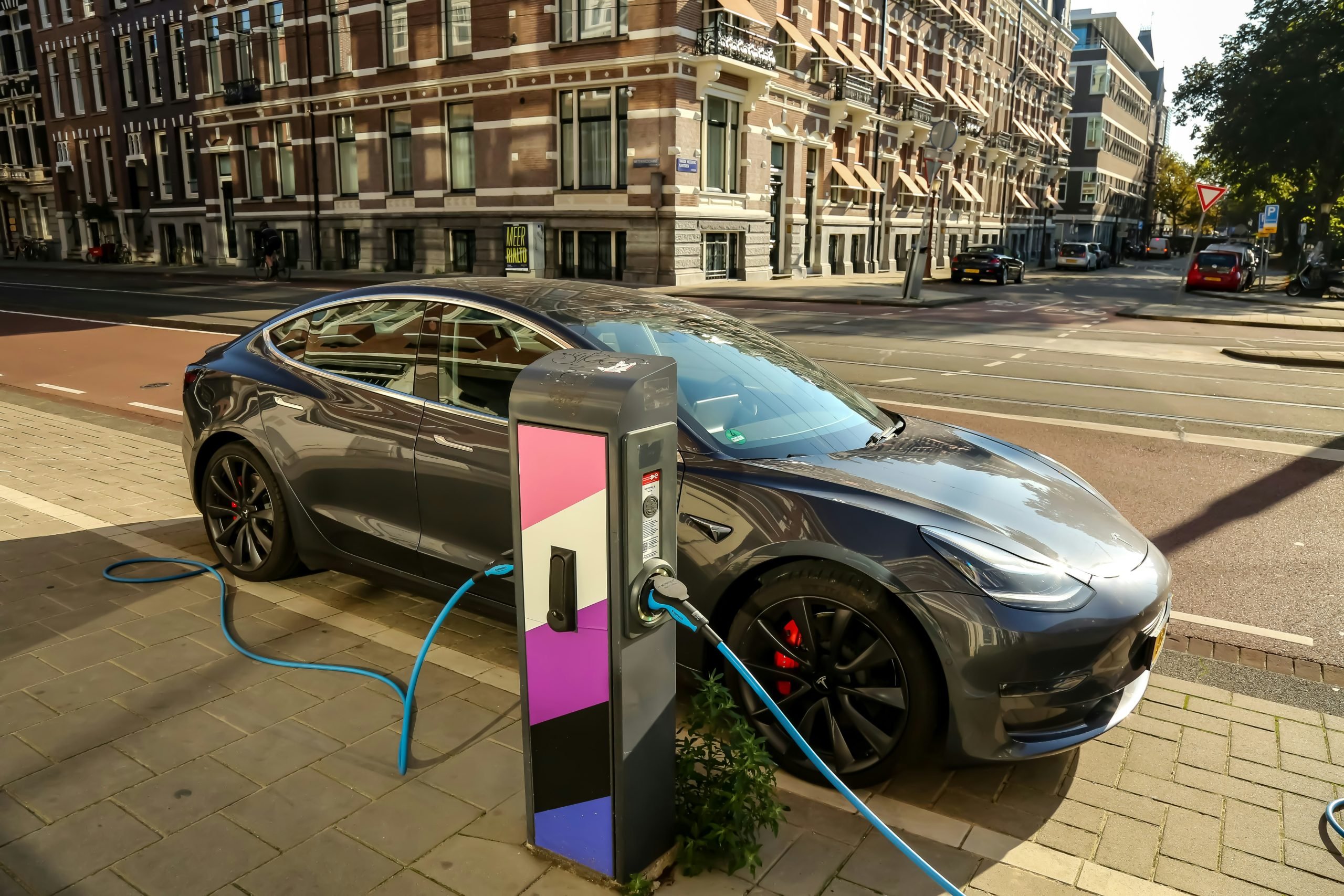
- Battery Electric Vehicles (BEVs): Fully electric with zero tailpipe emissions. Charged from the grid. Examples: Tesla Model 3, Hyundai Ioniq 5.
- Plug-In Hybrid Electric Vehicles (PHEVs): Electric motor + petrol/diesel engine. Limited electric-only range. Best where daily urban use predominates.
- Hybrid Electric Vehicles (HEVs): No plug-in charge — recharge via regenerative braking. Higher fuel economy but still reliant on petrol/diesel.
Note: Only BEVs and, conditionally, PHEVs qualify for the lowest Benefit in Kind (BIK) tax rates.
Tax Implications: BIK Rates for Company Cars
One of the largest ongoing costs for directors with company cars is Benefit in Kind (BIK) tax. BIK is calculated by the list price of the car, CO₂ emission band, official HMRC BIK percentage for that year, and your personal tax rate.
Electric Vehicles (BEVs)
Thanks to government incentives, BIK rates have been historically 0% and are currently around 2% — much lower than petrol/diesel.
Petrol & Diesel Cars (e.g., Range Rover Velar)
At market rates, usually 30%+ BIK. Higher CO₂ emissions = higher taxable benefit. These different BIK percentages can make EVs cheaper overall even if they have the same purchase cost.
Total Cost of Ownership (TCO): EV vs Petrol/Diesel
| Cost Factor | Electric (BEV) | Petrol/Diesel |
|---|---|---|
| Purchase Price | Often higher list price | Lower list price on average |
| Fuel | Electricity cheaper per mile | Petrol/Diesel more costly per mile |
| Maintenance | Lower (no engine oil, simplified driveline) | Higher (engine parts, exhaust, etc.) |
| Tax/BIK | Significantly lower | Significantly higher |
Comparative Case: £60,000 Electric Car vs £60,000 Range Rover Velar
Let’s compare two £60,000 vehicles: a premium Electric Vehicle (BEV) and a Range Rover Velar (petrol/diesel). We will look at Benefit in Kind (BIK) tax and running costs over 3 years.
1. Benefit in Kind (BIK)
| Item | Electric EV | Range Rover Velar |
|---|---|---|
| List Price | £60,000 | £60,000 |
| BIK Rate (example) | 2% | 30% |
| BIK Cash Benefit | £1,200 | £18,000 |
| Director’s Tax (40%) | £480 | £7,200 |
Result: That’s a £6,720 annual savings in BIK tax alone.
2. Fuel & Running Costs
Assuming 10,000 business miles per year:
- Electric: £600–£1,200 (6–12p per mile)
- Petrol SUV: £1,200–£1,800 (12–18p per mile)
EVs win every major cost category in operating expenses.
Why EVs Are Increasingly Preferred for Directors
- Lower Tax Burden: Significantly lower BIK and NIC costs.
- Lower Running Costs: Cheaper "fuel" and reduced servicing.
- Environmental Benefits: Better for CSR reporting.
- Simpler Reimbursement: Company can reimburse business mileage without BIK if personal use is zero.
Common Pitfalls Directors Must Avoid
We frequently see directors treating a personally owned petrol car as a company car, claiming full fuel costs on a personal car, keeping incorrect mileage logs, or mis-classifying PHEV vs BEV for tax purposes. These errors trigger HMRC enquiries and possible penalties.
Final Recommendation
Electric cars are almost always more tax-efficient than petrol/diesel equivalents for UK directors due to lower BIK rates, lower running costs, and better compliance outcomes. Even if the list price is the same, the total real cash cost of EV ownership over 3–5 years is generally lower.
Speak to a Specialist Before You Buy. Deciding which car to buy is not a “plug-and-play” decision. At Mayfair Tax Advisors, we can help you choose EVs vs petrol/diesel based on real usage, forecast BIK costs, and structure ownership correctly.
Email us at [email protected] or call to speak to a specialist before signing any finance or lease agreements.
Need Expert Advice?
Our team can help you navigate these changes and ensure your business remains compliant and tax-efficient.
Recent Articles

Moving to India Permanently While Keeping UK Property: A Complete UK–India Tax Planning Guide
January 28, 2026
HMRC Enquiries Into CIS Subcontractors: Why Inflated Expenses Trigger Investigations (And How to Protect Yourself)
January 25, 2026